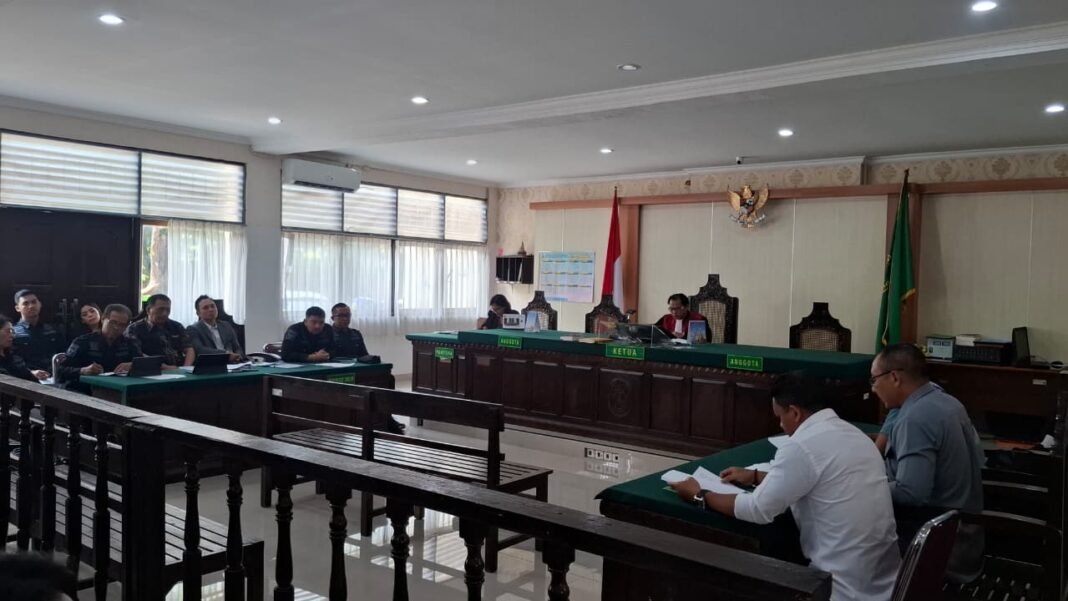



Denpasar, Bali – A high-profile legal challenge unfolding in Bali is drawing attention not only from Indonesia’s legal community, but also from observers concerned with governance, rule of law, and public administration on the island.
On Monday, February 2, 2026, lawyers representing I Made Daging, Head of Bali’s National Land Agency (BPN), formally asked the Denpasar District Court to revoke his status as a criminal suspect. The request was made during a pretrial hearing that questions whether police relied on invalid legal provisions when naming him a suspect.
According to court proceedings monitored by Bali Today, the defense team, led by prominent lawyer Gede Pasek Suardika, argued that the investigation conducted by Bali Police suffers from a fundamental legal flaw. The suspect designation, they say, is based on an article of Indonesia’s old Criminal Code that is no longer in force.
“At the heart of this case is legality,” Pasek told the court. “A person cannot be charged using a provision that has already expired. If the legal basis falls, the suspect status must fall with it.”
A question of timing and law
The dispute centers on Indonesia’s transition from its old Criminal Code (KUHP) to a new one passed in 2023. While the new code becomes fully enforceable in January 2026, the defense maintains that once the law was officially promulgated, outdated provisions could no longer be used as a criminal basis.
Made Daging was named a suspect in December 2025 in a case related to alleged document handling irregularities. His lawyers argue that, even before the new code took effect, investigators were no longer justified in relying on articles that had been formally repealed.
The defense also pointed out what they described as inconsistency on the part of investigators. If police believed another valid law applied, such as Indonesia’s Archival Law, they should have issued a new suspect order under that framework rather than continuing with one based on an obsolete article.
Administrative issue or criminal case?
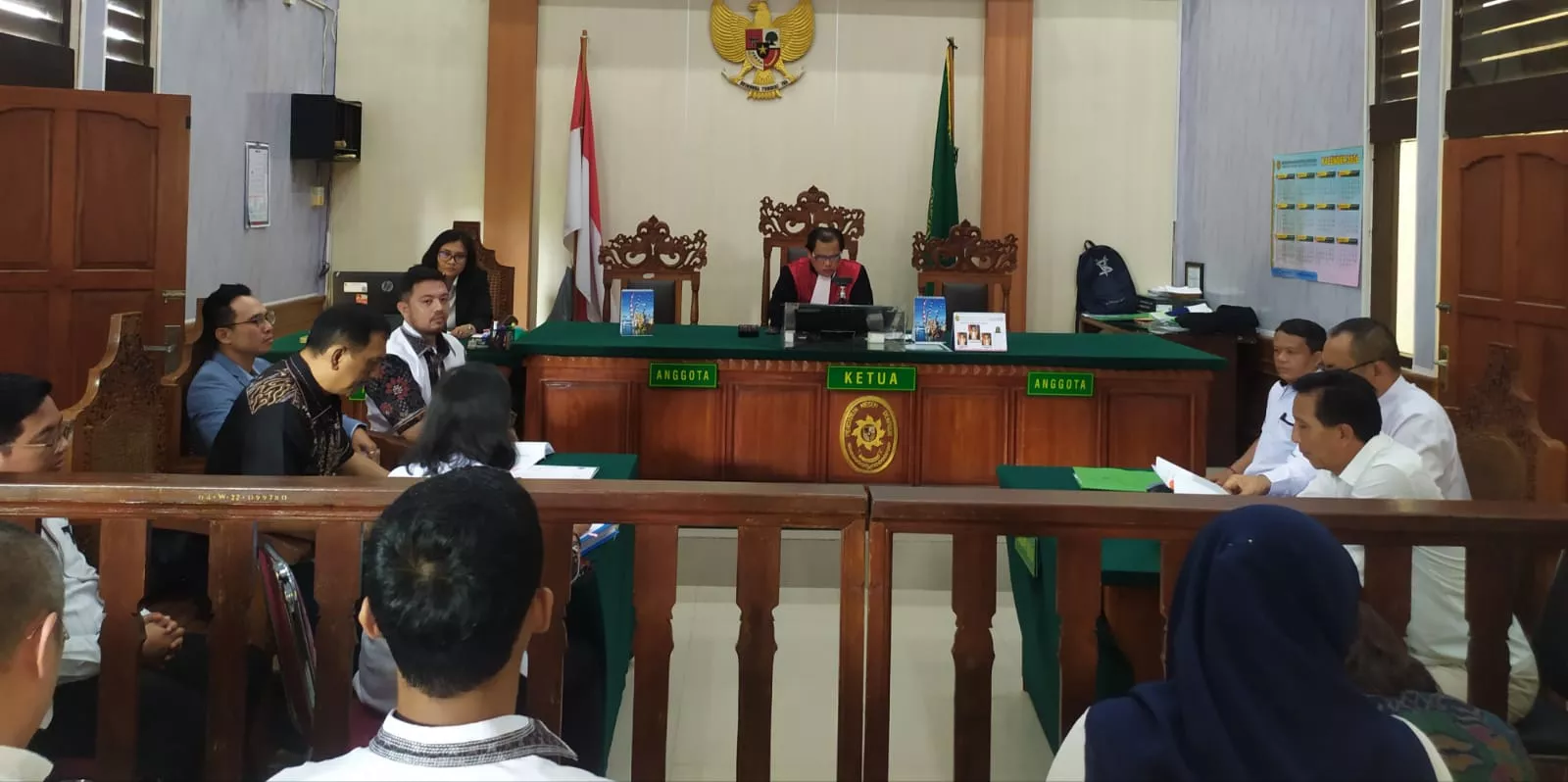
Photo of the Pretrial Hearing of I Made Daging, February 2, 2026
Beyond technical legal arguments, the case raises a broader question relevant to governance in Bali: when does an administrative dispute become a criminal matter?
The defense maintains that the core issue relates to administrative procedures and record management within government institutions, which should fall under administrative law, not criminal prosecution. Criminalizing such matters, they argue, risks setting a troubling precedent for civil servants across Indonesia.
“This is not only about one official,” a member of the defense team said. “It’s about legal certainty for everyone working in public administration.”
Why it matters to Bali
For international readers, expats, and long-term visitors, the case offers a rare glimpse into how legal accountability works behind the scenes on Indonesia’s most globally known island.
Land governance is a sensitive topic in Bali, where tourism, development, and traditional land rights often intersect. Any legal uncertainty involving senior land officials can resonate far beyond the courtroom, influencing investor confidence, public trust, and perceptions of institutional stability.
As Bali Today observed in court, the defense also asked judges to declare all subsequent investigative actions invalid, halt the investigation entirely, prohibit reopening the case based on the same evidence, and restore Made Daging’s reputation if the challenge is upheld.
Awaiting the court’s decision
The pretrial hearing is set to continue with a response from police prosecutors. The judge’s decision will determine whether the case proceeds or ends before reaching trial.
Whatever the outcome, the proceedings highlight a critical moment for Bali’s legal landscape: a test of whether law enforcement, courts, and lawmakers can move in step as Indonesia enters a new legal era.
For Bali Today readers, it is a reminder that beneath the island’s image of beaches and temples, important legal debates are shaping how Bali is governed — and how justice is applied — in the years ahead.